
186-6600-0841
24-hour Service Hotline
186-6600-0841
24-hour Service Hotline
Main Business
LR ENVIRONMENT
Treatment of VOCs Exhaust Gas
1. Characteristics:
The most typical common characteristic of VOCs (Volatile Organic Compounds) is volatility. Many VOCs have the property of being prone to chemical reactions (reactivity). Currently, it is known that VOCs can undergo a variety of chemical reactions in the air. The most important types of reactions include:
(1) The reaction of VOCs with hydroxyl radicals, where they are oxidized into organic radicals and then further decomposed and react.
(2) Some VOCs containing double bonds (such as alkenes, dienes, etc.) react with ozone to form biradicals and then further decompose and react.
(3) A few oxygen-containing organic substances, such as aldehyde and ketone VOCs like formaldehyde and acetone, can be directly decomposed by light to form radicals, thus triggering more reactions. In addition, some VOCs are also toxic and harmful to human health, such as benzene and toluene.
2. Treatment Difficulties:
The composition is complex and it is difficult to collect.
3. Treatment Process:
Plasma + activated carbon adsorption
4. Solutions:
After the exhaust gas is collected through a centralized collection system, a plasma purifier is used to decompose and purify the organic exhaust gas in the exhaust gas. Then, activated carbon is used to further adsorb pollutants for removal, so that the exhaust gas can be discharged up to the standards.
5. Discharge Standards:
The second-class discharge standard for the second period specified in the Integrated Emission Standard of Air Pollutants (GB16297-1996).
The second-class discharge standard for the second period specified in the Emission Limits of Air Pollutants in Guangdong Province (DB44/27-2001).
Case Recommendations:
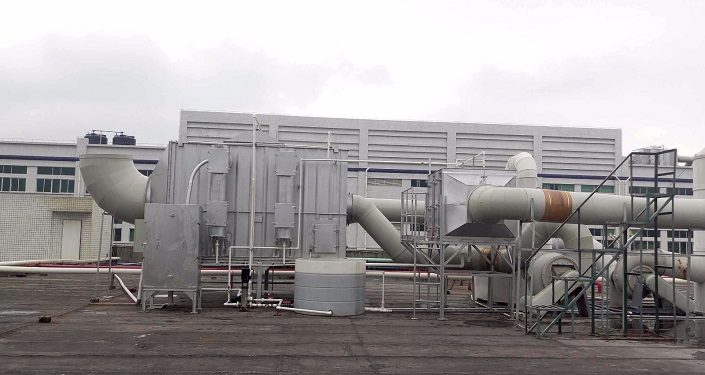
VOCs Treatment Project in Foshan City
Exhaust Gas Treatment Project in Yueqing City Environmental Protection Industrial Park
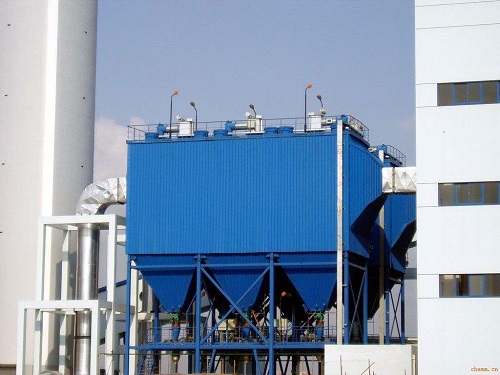
Treatment of Dust - containing Exhaust Gas
Treatment of Dust - containing Exhaust Gas
Characteristics:There are a large number of solid suspended particles, which are not easy to settle. When inhaled, it is likely to cause damage to the human respiratory system. ... 【more details】
Treatment of Acid - base Exhaust Gas
Treatment of Acid - base Exhaust Gas
It has strong corrosiveness, is easily soluble in water or other chemical agents, generally has a pungent smell, and is likely to cause damage to human skin or the health of the respiratory system. ... 【more details】