
186-6600-0841
24-hour Service Hotline
186-6600-0841
24-hour Service Hotline
Main Business
LR ENVIRONMENT
Treatment of Electroplating Wastewater
1. Characteristics:
The types are complex, containing both Class I and Class II pollutants. It is easy to form complex states, with high chroma, high toxicity, high COD (Chemical Oxygen Demand) concentration, and is prone to enrichment.
2. Treatment Difficulties:
There are many types of pollutants that require classified treatment, and the processes are complicated. The backward production processes and the mixed discharge of industrial wastewater affect the treatment effect. The formed complex states are not easy to treat, and the effluent water quality is unbalanced, etc.
3. Treatment Process:
Separation of water for physicochemical treatment + biochemical treatment + advanced treatment
4. Solutions:
In the pretreatment stage, comprehensively apply the classified pretreatment and physicochemical treatment processes simultaneously to jointly remove inorganic substances, organic acids, etc. in the water. Then, apply the "aerobic + MBR (Membrane Bioreactor) treatment process". This process has a strong adaptability to water quality and quantity, stable effluent water quality, and good removal effects on ammonia nitrogen and refractory organic substances.
5. Discharge Standards:
The discharge standards in Table 3 of the Discharge Standard of Electroplating Pollutants (GB21900-2008)

Case Recommendations:
Mingxing Hardware Electroplating Sewage Treatment Project in Gaoyao City
Atotech Chemical Electroplating Sewage Treatment Project
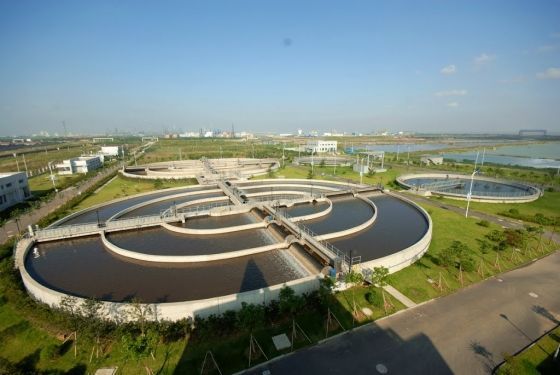
Treatment of Domestic Sewage
Treatment of Domestic Sewage
Shower drainage, washbasin drainage, kitchen drainage, toilet drainage, etc. generated from people's daily lives. ... 【more details】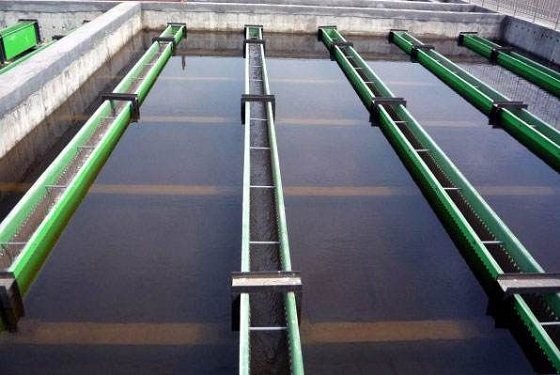
Treatment of Food Wastewater
Treatment of Food Wastewater
The concentrations of suspended solids and organic substances are high. It contains a large amount of grease and is generally non-toxic. The main pollution hazard of food industrial wastewater is that ... 【more details】